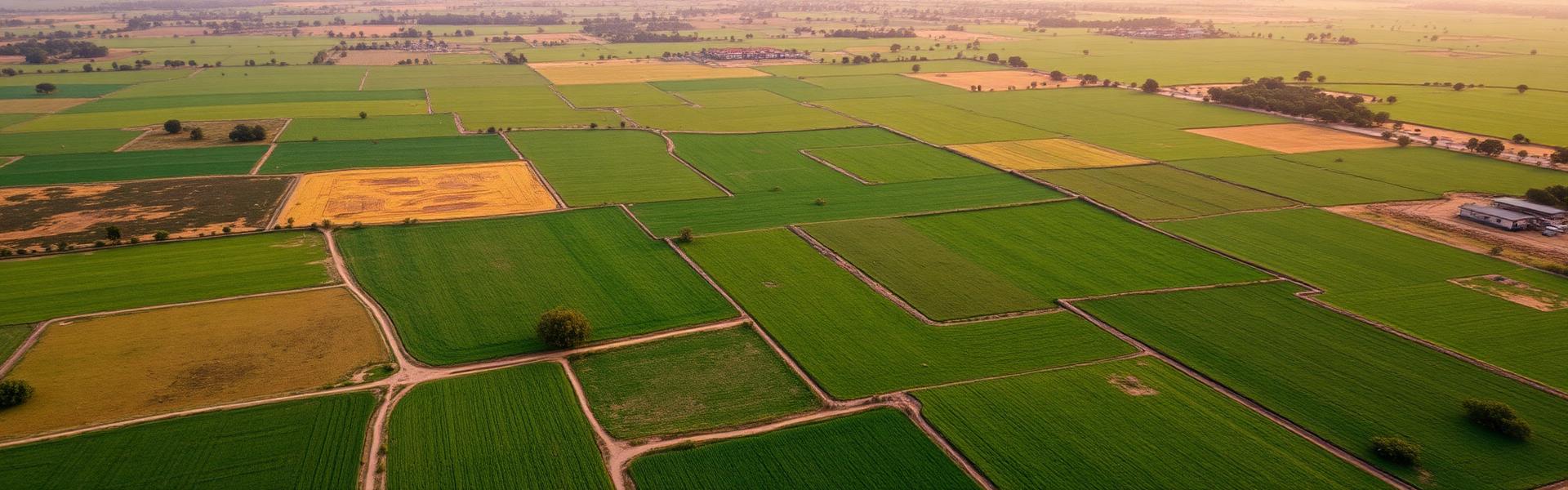
Connect field conditions to production planning.
Explore how earlier visibility into production could help align growers, buyers, transporters and processors.
A harvest also needs a timely route to market.
Collection, transport and processing depend on timing, location, usable volumes and product requirements. When these do not align, valuable production can miss its market.
Three planning questions
What quality are we sourcing?
What volumes might become available?
When and where could they be ready?
From local observations to a shared production outlook.
Development and partnership opportunities
Useful production estimates would combine:
- — Field measurements.
- — Grower observations and estimates.
- — Crop and area information.
- — Management practices.
- — Relevant historical data.
- 01
Participating farms
- 02
Production outlook
- 03
Collection and processing planning
Potential uses
- — Prepare collection windows.
- — Coordinate volumes across growers.
- — Anticipate transport requirements.
- — Align processing capacity.
- — Identify timing or volume mismatches earlier.
Opportunities to develop and validate with partners.
A useful outlook makes uncertainty visible.
Production planning needs estimates that can be updated as the season progresses: volume ranges, harvest windows and a clear account of what remains uncertain.
Early season
Wide range
Mid season
Range narrows
Approaching harvest
Narrower window
Understand what makes each source different.
Sourcing decisions depend on each grower's production objectives and local conditions. Soil, water, climate and practices shape what each source can offer. A useful view keeps these differences visible rather than reducing quality to a single universal score.
Also worth exploring: finance and insurance
Better local information may also support conversations with agricultural finance and insurance partners about exposure and emerging risks.